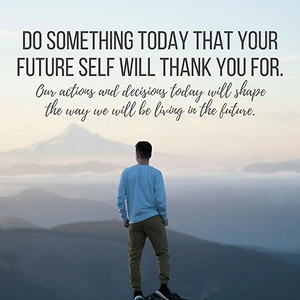
In a world filled with endless possibilities, the ability to make decisions is perhaps the most empowering skill we can cultivate. However, here’s the catch—while choices are inevitable, making them with confidence can sometimes feel like an uphill battle. The pressure of the “right” choice, the anxiety of uncertainty, and the weight of the consequences often cloud our judgment, leaving us stuck in a loop of doubt.
Terry L. Whipple’s Choices and Consequences delves into the art of decision-making and its far-reaching impacts on our lives. Whipple highlights that every decision, no matter how small, shapes who we are and where we’re headed. So how do we step into our power, especially when facing tough or uncertain decisions? How do we find the mental resilience to make confident choices, even in the face of stress or fear?
If you’ve ever felt overwhelmed by a decision—whether it’s personal, professional, or even something as simple as what to eat—this blog is for you. Let’s dive into strategies that can help you improve your decision-making confidence and navigate the crossroads of life with clarity and purpose.
Recognize Your Power: You Are the Architect of Your Future
Whipple starts with a powerful truth: you are the creator of your own path. Each decision you make serves as a building block for your future. Whether you’re choosing a job, deciding on a relationship, or simply selecting a breakfast option, you’re actively shaping your life’s narrative.
The key to confidence lies in recognizing the power of choice. We often think of choices as burdens, fearing the consequences or regretting past decisions. But what if we shifted our mindset to see every decision as an opportunity to move closer to who we want to be? Once you understand that every choice, no matter how big or small, carries the potential to create the life you want, you’ll begin to approach decisions with greater confidence.
Takeaway tip: The next time you’re about to make a decision, remind yourself: you are empowered by the very act of choosing. That recognition is the first step toward mental resilience.
Shift from Fear to Empowerment: Reframe Your Thinking
Decisions often come with the gnawing fear of failure. “What if I make the wrong choice? What if this decision ruins everything?” These questions can paralyze us, turning simple decisions into impossible dilemmas. Whipple, however, invites us to shift our perspective from fear to empowerment. Instead of focusing on the potential for failure, let’s focus on the growth that comes with any decision.
Fear is natural, but it shouldn’t dictate your actions. Confidence doesn’t mean eliminating fear; it’s about acting despite it. Whipple reminds us that even when things don’t go as planned, there is value in the journey. Every decision—whether it leads to success or failure—teaches us something valuable. When we embrace failure as part of the learning process, we free ourselves from the pressure of perfection.
Takeaway tip: Reframe your fear. Instead of asking, “What if I fail?” ask, “What can I learn from this decision?”
Prioritize Clarity Over Speed: Slow Down to Move Forward
In today’s world, we are often urged to make snap decisions. “Don’t waste time overthinking. Just make a choice and move on.” However, Whipple argues that when it comes to important decisions, speed can be the enemy of clarity. Rushed decisions are more likely to be driven by impulse or outside pressure rather than thoughtful consideration.
It’s okay to take a moment to pause and breathe. In those moments, allow yourself the space to reflect on your options and consider their long-term impact. A well-thought-out decision will usually yield better results than a hasty one. Clarity takes time. The more time you spend thinking through your options, the more confident you will feel in your final choice.
Takeaway tip: When faced with a big decision, take a step back. Ask yourself, “What’s truly important here?” and allow your answer to guide you.
Develop Emotional Intelligence: Understand Your Emotional Drivers
Our emotions can often cloud our decision-making. Whether it’s excitement, fear, frustration, or desire, emotions have a powerful influence over the choices we make. Whipple emphasizes the importance of emotional intelligence—the ability to understand and manage your emotions as well as the emotions of others.
When making a decision, take a moment to check in with yourself. Are you making this decision out of fear? Excitement? Pressure from someone else? By becoming aware of your emotional state, you can separate impulsive decisions from those based on your true desires.
Takeaway tip: Practice mindfulness. Before making a decision, pause to evaluate your emotions. Ask, “Am I being driven by fear or clarity?”
Leverage the ‘What Ifs’: Use Scenario Planning for Clarity
Whipple’s approach encourages us to face uncertainty with curiosity rather than fear. Scenario planning, or envisioning the different outcomes of your decision, is an excellent tool for reducing anxiety. When you feel uncertain, imagine the possible consequences of each choice. Consider both the best-case and worst-case scenarios.
For example, if you’re considering a career change, think about what could happen in the short and long term. What opportunities might open up? What challenges might arise? What if you stay in your current role? How would that affect your future?
Takeaway tip: Visualize the outcomes. Use “What if” thinking to map out potential scenarios, which can help reduce the anxiety of the unknown.
Trust Your Intuition: The Wisdom Within
Sometimes, logic isn’t enough to make a decision. Whipple encourages us to trust our intuition. Your gut feeling is often a reflection of subconscious knowledge and experience. While facts and figures are essential, there’s a deeper layer of understanding that comes from listening to your inner voice.
The next time you’re faced with a decision, pay attention to that inner whisper. If it feels right, even if it doesn’t completely make sense, trust it. Intuition can guide you toward choices that align with your true self.
Takeaway tip: Next time you’re uncertain, check in with your gut feeling. Does it feel aligned with your values and goals? Trust that wisdom.
Seek Support: Don’t Make Decisions in Isolation
Finally, Whipple reminds us that no decision needs to be made alone. Whether it’s talking things over with a mentor, friend, or colleague, seeking support can offer new perspectives and boost your confidence. Sometimes, simply voicing your concerns aloud can bring clarity.
Takeaway tip: Reach out for guidance when needed. Talking through decisions with trusted individuals can often bring new insights that enhance your confidence.
Conclusion: Confidence Comes with Practice
Making decisions with confidence isn’t something that happens overnight. It takes practice, self-reflection, and a willingness to learn from each choice we make. As Whipple beautifully points out, choices and consequences are linked. The more confident we become in making our decisions, the more empowered we feel to live the lives we’ve always wanted.
So, the next time you find yourself standing at a crossroads, remember that you have the power to choose. By embracing fear, shifting your mindset, prioritizing clarity, developing emotional intelligence, and trusting your intuition, you will begin to make decisions with greater confidence and resilience. Life is a series of choices, and with each one, you are creating the blueprint for your future. What will you choose today?