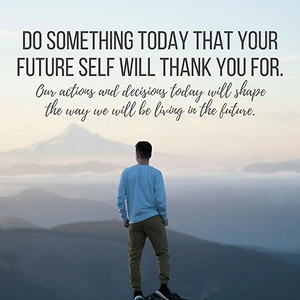
Introduction: Why Everyday Choices Matter
Life is built on the choices we make—both intentional and unconscious. From deciding what to eat in the morning to choosing relationships, careers, and personal habits, every decision moves our life in a certain direction. While we can’t always control the consequences, we do control the actions that lead to them.
This is the core message explored deeply in the work of Terry L. Whipple, M.D., F.A.C.S., Director of Orthopaedics and Fitness at the Hillelson-Whipple Clinic and a leading orthopedic surgeon with American Self Plastic Surgery and Orthopaedics in Richmond, Virginia. His perspectives on life, behavior, and long-term well-being emphasize how meaningful life choices shape the future in ways we often fail to notice.
What Are Choices?
Every day, we make hundreds of choices—some conscious and some automatic:
- What to eat
- How we speak to others
- Whether to exercise or skip it
- How we react emotionally
- What goals we pursue
- Which opportunities we act on
These choices represent the actions we take to move through life. They might seem small in the moment, but every action carries weight.
Some are immediate (“Do I check my phone again?”), while others are major (“Should I take this new job?”). Regardless of size, each choice directs the next step in our life path.
What Are Consequences?
Consequences are the outcomes or results of those choices. They can be:
- Short-term (feeling tired after staying up too late)
- Long-term (building a meaningful career through years of steady effort)
- Emotional (confidence, regret, joy, clarity)
- Physical (wellness, fatigue, energy)
- Social (deepened relationships or lost trust)
A healthy breakfast leads to more energy.
Negative self-talk leads to diminished self-esteem.
Consistency in effort leads to long-term growth.
Consequences don’t always show up immediately—but they always show up.
The Ripple Effect: How One Choice Shapes Many Outcomes
A single choice rarely produces a single consequence. It creates a ripple.
For example:
- Choosing kindness can ripple into stronger relationships, improved trust, and greater emotional resilience.
- Choosing avoidance may ripple into future stress, anxiety, or missed opportunities.
- Choosing healthy habits can create momentum toward long-term wellness.
This ripple effect is woven through the themes in Choices and Consequences by Terry Whipple, where the focus is on understanding how individual decisions connect to broader life outcomes.
Why We Often Overlook the Impact of Small Decisions
Because many consequences feel delayed, it’s easy to underestimate their importance.
We think:
“Missing one workout isn’t a big deal.”
“Sending the text tomorrow is fine.”
“I’ll start next week.”
But those tiny choices add up. Their collective impact becomes our lifestyle, our habits, and ultimately our identity. Over time, small decisions shape the quality of our relationships, physical health, career growth, and emotional stability.
This is exactly why books about personal growth—especially those written with professional experience like those from orthopedic experts—help people see the patterns they often miss.
Insights from Terry L. Whipple, M.D., F.A.C.S.
As a surgeon, educator, and author, Dr. Terry L. Whipple has spent decades observing how both physical and personal decisions influence long-term outcomes.
His work highlights three core truths:
a. Choices govern our direction.
Whether in medicine, fitness, or personal development, actions create momentum.
b. Consequences often reflect patterns, not accidents.
Consistent habits—positive or negative—eventually reveal their results.
c. Personal growth starts with awareness.
Understanding the connection between choices and consequences leads to more intentional living.
Through real-life stories, reflections, and guiding principles, his writing encourages readers to view their lives with clarity and responsibility.
How Emotional Awareness Improves Decision-Making
Good decisions are rarely made from stress, fear, or impulse. Emotional intelligence plays a major role in the choices we make every day.
Being more aware of:
- Your triggers
- Your motivations
- Your fears
- Your long-term goals
- Your emotional reactions
…helps you choose actions aligned with who you want to be.
This is why Dr. Whipple often emphasizes emotional awareness in his discussions on life choices. Understanding your internal world leads to better external decisions.
Building a Mindset That Supports Better Choices
Improved decision-making isn’t about perfection—it’s about building a mindset that guides you toward growth.
Here are helpful principles:
1. Pause before reacting
Give yourself a moment to choose intentionally.
2. Think long-term, not just short-term
What will this choice mean tomorrow? Or next year?
3. Reflect on your habits
Patterns reveal more than isolated choices.
4. Surround yourself with positive influences
Your environment affects your thinking.
5. Stay consistent with small steps
Transformation is the result of steady, intentional action.
Real-Life Examples: How Choices Shape Your Future
Example 1: Health
Choosing a daily walk may seem small, but over months, it reduces stress, improves sleep, and strengthens the body.
Example 2: Relationships
Choosing to communicate openly prevents misunderstandings and builds trust.
Example 3: Career
Choosing to learn a new skill or take on a challenge can open doors you didn’t expect.
Example 4: Mindset
Choosing gratitude over frustration can reshape your emotional landscape.
These examples show that even the smallest decisions can create meaningful long-term consequences.
Final Thoughts
The relationship between choices and consequences is simple but powerful:
Choices are the actions, consequences are the outcomes, and the impact extends far beyond the moment.
By bringing awareness to our daily decisions, we take ownership of the direction our lives move in. As highlighted through the insights of Terry L. Whipple, M.D., F.A.C.S., understanding this connection helps us live with intention, clarity, and purpose.